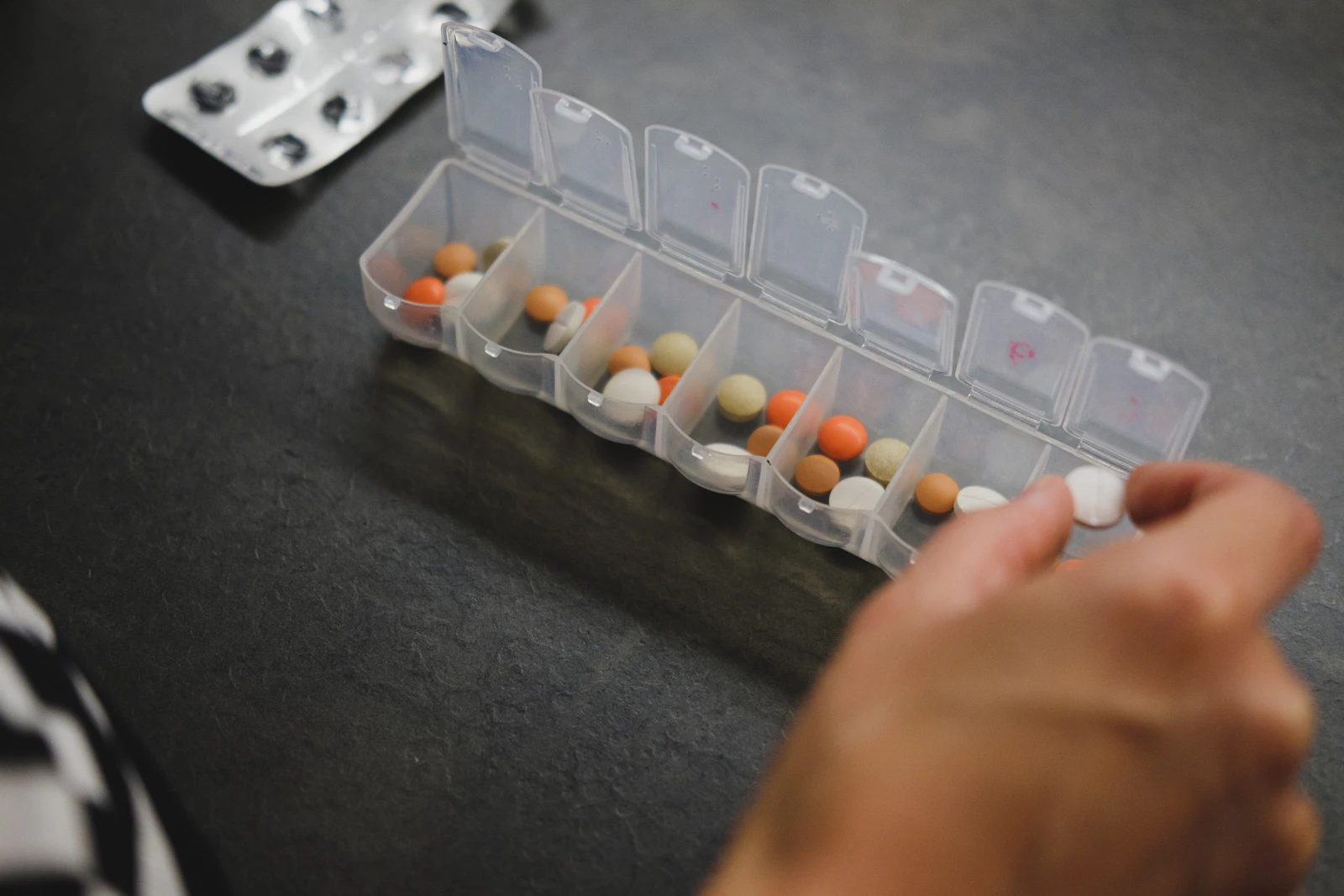
Selincro alcohol-treatment tablets are not an overdose-rescue product. Suspected opioid overdose requires emergency help and an appropriate available rescue medicine. Nalmefene can precipitate severe withdrawal in someone physically dependent on opioids.
Nalmefene has different clinical uses depending on its formulation and the country in which it is prescribed. Selincro tablets are used in selected alcohol-treatment plans. Opvee nasal spray and Zurnai auto-injectors are US emergency products for opioid overdose. These are not interchangeable treatments, and an oral alcohol-treatment tablet must never be mistaken for a rescue medicine. This guide explains the distinctions, the evidence and the questions that matter for mental-health and addiction care.
One ingredient, different treatment purposes
Selincro is an oral nalmefene product for reducing alcohol consumption in adults with alcohol dependence who remain at a high drinking-risk level, have no physical withdrawal symptoms and do not need immediate detoxification. It is prescribed alongside continuing psychosocial support after assessment. [1]
The FDA approved Opvee nasal spray for known or suspected opioid overdose in adults and children aged twelve and older in 2023. It is a prescription emergency treatment, not an alcohol-reduction regimen. [2] Zurnai, a nalmefene auto-injector for the same broad emergency age group, was approved in 2024. [3]
Start every discussion by identifying the product, route and purpose. Do not compare tablet and spray amounts as though they were a conversion problem. A medicine name without the formulation is insufficient to establish safe instructions.
How oral nalmefene relates to drinking
Nalmefene modifies opioid-receptor signaling involved in alcohol-related reward. It is not an aversive treatment designed to make a person ill after drinking, and it does not prevent intoxication or make driving after alcohol safe. [1]
Ask what the agreed goal is and how it will be reviewed. Is the aim reduced heavy drinking as part of a broader plan, or is a different treatment goal more appropriate after assessment? Record the reasons you want change, including relationships, work, sleep and health, rather than focusing only on a tablet’s immediate effect.
Explain patterns across the week and what happens when drinking is reduced. The clinician needs to distinguish a person suitable for a reduction approach from someone requiring medically managed withdrawal. Do not decide eligibility by comparing yourself with an online description of another patient’s treatment.
What the alcohol-treatment trials found
In a twenty-four-week trial with 604 randomized adults, as-needed nalmefene produced greater reductions in heavy-drinking days and total consumption than placebo. The additional benefit was modest relative to the changes occurring in both groups, and adverse-effect-related discontinuation was more frequent with nalmefene. [4]
Research also examined a pooled subgroup who remained at a high drinking-risk level after initial assessment. Participants received a motivational and adherence-focused intervention as well as medication or placebo. The subgroup analysis should not be described as an entirely separate trial proving benefit for all people with alcohol dependence. [5]
Ask how these findings relate to your history and goals. A reduction observed in a study does not guarantee that the medicine alone will change your circumstances. The practical care plan should specify support, review and what happens when the agreed approach is not helping.
Why Selincro is not an acute alcohol-detox treatment
The product is not intended for people who need immediate detoxification, and recent severe alcohol-withdrawal features are important contraindications. Seizures, delirium or hallucinations in that context require a different medical assessment. [1]
Tell the clinician about previous withdrawal episodes, morning symptoms, hospital admissions and use of other sedatives. Do not hide a complicated history because you prefer an outpatient option. The appropriate setting should follow the clinical assessment rather than the convenience of a particular medicine.
Ask who will manage acute risk and who will oversee ongoing alcohol care. The acamprosate, naltrexone and chlordiazepoxide guides describe medicines with different roles, not interchangeable choices for self-treatment.
Opioid medicines and pain care require special attention
Selincro should not be taken while using opioid medicines, including methadone or buprenorphine, or when opioid dependence or recent opioid use is suspected. It can block analgesia and precipitate withdrawal. Tell clinicians about it before an operation or an emergency pain-treatment situation. [6]
Include occasional codeine, tramadol and opioid-containing cough products in the medication history. A medicine used only during a painful flare can still change whether the alcohol-treatment plan is appropriate.
Do not try to overcome opioid blockade by taking extra pain medicine, and do not stop established opioid-use-disorder treatment independently to make room for Selincro. Ask the relevant prescribers to agree a compatible plan. Keep the product name available so that an unfamiliar clinical team does not have to infer what alcohol treatment you receive.
Common effects and mental-health concerns
Nausea, dizziness, headache and sleep disturbance are common with oral nalmefene, particularly early in treatment. Confusion or perceptual changes can occur and need assessment, especially when they could also reflect alcohol withdrawal or another condition. Avoid driving when impaired. [6]
Describe what happened and when. Was there a medication dose, reduced drinking, disrupted sleep or another treatment change before the symptom began? Do not assume that every unusual experience is a harmless side effect, or that it proves the treatment cannot be useful.
Depression, anxiety and thoughts of self-harm require attention in their own right. A prescription aimed at drinking reduction does not replace a mental-health assessment. Immediate danger calls for emergency help rather than waiting to see whether the next alcohol-treatment appointment brings improvement.
Liver, kidney and reproductive-health considerations
Severe liver or kidney impairment can make oral nalmefene unsuitable. Pregnancy and breastfeeding need a separate benefit-risk discussion, and the patient leaflet advises against routine use in pregnancy. [6]
Ask what tests are needed and who reviews them. An improvement in drinking does not by itself establish that all liver-related risks have resolved. Discuss other medicines, nutritional concerns and any ongoing medical investigations.
A small 2026 retrospective study followed fifteen people with alcohol-related liver disease receiving nalmefene. Drinking and some liver-enzyme measures improved, but the uncontrolled design and sample size cannot establish that nalmefene directly repairs liver injury or is appropriate in severe impairment. [7]
Opvee and Zurnai: emergency opioid reversal
Emergency nalmefene products block opioid effects, including life-threatening respiratory depression. Their approval does not turn them into continuing treatment for opioid-use disorder or a method of carrying out planned withdrawal. [2]
If a person is unresponsive or breathing slowly and an opioid overdose is suspected, obtain emergency help and use an appropriate available rescue medicine according to its instructions. Do not give Selincro tablets or wait to locate a preferred brand. Emergency assessment remains necessary even after the person wakes.
Opvee labeling requires continuing observation and allows further treatment using a new device when response is inadequate or breathing depression returns. The spray is not primed or tested before use. [8] Learn the instructions for the actual device in advance rather than assuming every spray or injector works identically.
Precipitated opioid withdrawal after reversal
Emergency nalmefene can trigger abrupt withdrawal in a person physically dependent on opioids. Symptoms may include vomiting, diarrhea, sweating, agitation, pain and increases in pulse or blood pressure. Nalmefene’s longer action does not remove the need for medical observation. [8]
This risk is different from the decision to withhold emergency help. A potentially fatal breathing problem needs immediate response. Tell responders what rescue medicine was used, when it was given and what substances may be involved.
Do not deliberately use an overdose-reversal product to accelerate detoxification. Sudden antagonist-induced withdrawal is not equivalent to a planned, supported treatment change. Ask for an addiction-care assessment once the emergency has been managed.
Nalmefene is not simply an interchangeable naloxone brand
Nalmefene and naloxone are different medicines. Product approvals, instructions and local supply protocols should not be treated as identical. In 2025, New York’s attorney general addressed misleading Opvee marketing that presented it as interchangeable with Narcan despite limits on the relevant state programs. [9]
The practical lesson is to ask a local clinician, pharmacist or harm-reduction service which rescue product and training apply to your situation. Do not infer universal access from an FDA approval announcement, or assume that a longer duration automatically proves better survival in real-world overdoses.
The naloxone guide explains the other widely used reversal medicine. During an actual emergency, prompt help and correct use of the available appropriate product matter more than comparing marketing claims.
Continuing addiction and mental-health care
Emergency reversal, reducing alcohol consumption and ongoing opioid-use-disorder treatment are separate clinical tasks. Ask the team to identify which one each medicine addresses and what follow-up is planned after an immediate problem settles.
For alcohol care, record changes in drinking alongside sleep, mood, daily functioning and the situations that make change difficult. For opioid care, ask about continuing treatment, overdose prevention and support rather than treating survival of an overdose as the end of the intervention.
The co-occurring-needs overview can help frame a coordinated assessment. A medicine alone cannot establish the appropriate treatment setting or which services a residential program provides.
Reviewing or ending an oral treatment plan
Ask the prescriber how benefit will be judged and what happens if oral nalmefene is stopped. A return of heavy drinking is not automatically medication withdrawal; the underlying alcohol-treatment goal still needs support. Do not change to a different opioid antagonist or combine products independently.
Bring the actual formulation, complete medication list and an honest account of drinking and opioid exposure. Clarify who handles pain treatment, planned procedures and prescription questions between reviews. The medication-review checklist helps organize those priorities.
Frequently asked questions
Can Selincro tablets reverse an overdose?
No. The alcohol-treatment tablet is not the emergency nasal spray or auto-injector. Use an appropriate rescue product and emergency services.
Does taking nalmefene make drinking harmless?
No. It does not prevent intoxication or erase alcohol-related risks. Treatment includes assessment, support and review of the agreed goal.
Can nalmefene replace methadone or buprenorphine?
Not as an independent substitution. Combining or switching opioid treatment and antagonists requires a specific clinical plan; abrupt blockade can precipitate withdrawal.
Evidence and sources
- Selincro product information.
- FDA: Opvee approval and emergency indication.
- FDA: Zurnai approval.
- Randomized alcohol-reduction trial.
- Pooled high-drinking-risk subgroup analysis.
- Selincro patient leaflet.
- Small retrospective alcohol-related liver disease study.
- DailyMed: Opvee prescribing information.
- New York Attorney General: Product and program distinctions.
Check local prescribing and emergency-service advice for the actual product. The medication library does not establish that COGNIFUL supplies every listed formulation.