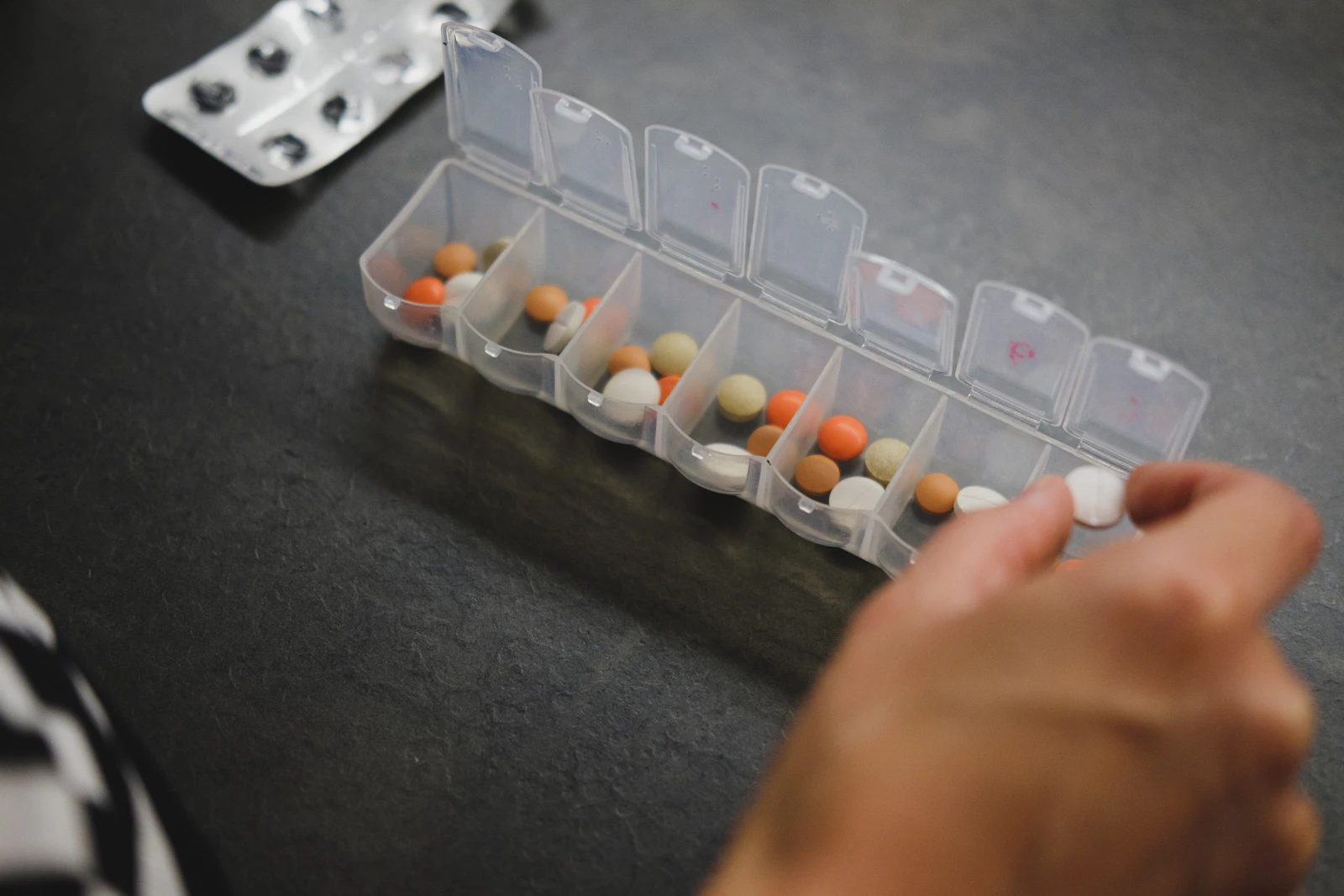
Acamprosate is a medication used to support recovery from alcohol dependence. Its purpose is different from the medicines used to manage acute alcohol withdrawal. Understanding that distinction helps you ask the right questions: what will keep withdrawal safe, what will support abstinence afterward, and what care will address the reasons drinking became difficult to control?
What is acamprosate used for?
Acamprosate is used to help maintain alcohol abstinence in people who have stopped drinking, alongside a broader treatment plan. Campral is a brand example. It is not a medicine that makes an intoxicated person sober, and it is not an emergency treatment for alcohol poisoning. The product and prescribing instructions available in your country should be confirmed with a clinician or pharmacist. [1]
A useful assessment begins with your goal and current situation rather than the medicine name. Discuss whether you have already stopped, whether withdrawal has been assessed and what support will continue. Ask what the clinician hopes acamprosate will add to psychological treatment or other recovery support. Medication should have a defined role that you understand, not simply be another item added to a discharge list.
How does it work?
Acamprosate is thought to affect the balance of signaling systems altered by prolonged alcohol exposure, although its mechanism is not fully understood. It does not act like a sedative, does not supply alcohol’s effects and does not create the alcohol-deterrent reaction associated with disulfiram. Its role concerns ongoing recovery rather than immediate relief of an acute withdrawal episode. [1] [2]
Ask how progress will be evaluated. A treatment review might discuss cravings, ability to follow the recovery plan and the situations that make drinking more likely. Those observations should be interpreted together rather than expecting a tablet to remove every urge or difficulty. If you do not notice a dramatic sensation after taking it, that does not by itself tell you whether it is contributing to the agreed goal.
Acamprosate and detox: what it does not treat
Acamprosate does not prevent or treat the dangerous complications of acute alcohol withdrawal. Someone at risk of withdrawal seizures or delirium needs an appropriate medical assessment and withdrawal-management plan. Starting acamprosate is not permission to stop heavy or dependent drinking abruptly without advice. Detoxification and relapse prevention are different stages that need to be connected. [1] [4]
Tell the assessing clinician about previous withdrawal episodes, seizures, hallucinations, other medicines and any illness. Ask which setting can safely meet the needs identified. Severe confusion, a seizure or significant deterioration requires urgent medical help, not a routine discussion about the next acamprosate dose. This guide does not provide a home-detox schedule, and a medication-library page is not confirmation that COGNIFUL provides inpatient medical withdrawal treatment.
Why it may be considered after alcohol withdrawal
The labeled role of acamprosate is maintaining abstinence after stopping alcohol. It may be considered when a clinician and patient agree that it fits the continuing treatment plan. The choice between it and another medication depends on clinical factors and preferences, including kidney function, other treatment and the goal of care. There is no single best medicine for every person with alcohol use disorder. [1] [2]
Before discharge from withdrawal care, ask whether the next stage has actually been arranged. That includes access to medication, follow-up and help with difficult situations, not just a statement that you should remain abstinent. Discuss practical obstacles such as travel, work shifts or uncertainty about who will prescribe. A plan that can be followed in daily life is more useful than one that only works while appointments and medicines are organized by someone else.
Taking acamprosate and fitting it into a routine
Acamprosate is supplied as delayed-release or enteric-coated tablets that should be swallowed as directed rather than crushed or chewed. Follow your own prescription, including any adjustments for kidney function. Do not copy another person’s tablet count or use this article to choose a regimen. Ask a pharmacist to explain instructions that are unclear or difficult to follow. [3]
Discuss how the scheduled doses fit around your day. A written plan, reminders or linking the prescribed schedule to ordinary routines may help, provided they match the actual instructions. Ask what to do when a dose is missed and do not double up without advice. If swallowing or remembering tablets is a persistent problem, raise it at review rather than quietly changing the medicine’s form or taking several doses together.
Kidney health and other suitability questions
Kidney function is a major consideration with acamprosate. The cited labeling contraindicates use in severe renal impairment and requires a different prescription in moderate impairment. These are decisions for the clinician using the relevant tests and clinical history, not thresholds for you to interpret from an old laboratory result. Tell the team about kidney disease and recent changes in health. [1]
Also discuss pregnancy, breastfeeding, allergies and all other medicines. A medication’s relatively limited interaction profile does not remove the need for a full review. Ask which tests are appropriate, who will review them and whether another condition affects the plan. Do not assume that a medicine described as useful in alcohol recovery is automatically suitable for someone with every type of alcohol-related physical illness.
Common side effects and tolerability
Diarrhea is a common concern. Nausea, itching, appetite changes, anxiety or sleep difficulty may also occur. Report persistent effects and explain whether they interfere with eating, drinking normally, work or taking the medicine. Severe or prolonged symptoms deserve assessment rather than being dismissed as the ordinary discomfort of recovery. [2] [3]
Keep a brief record of timing and any other changes. A new symptom may relate to another medicine, illness or the recovery period rather than acamprosate alone. You do not need to identify the cause before asking for help. A practical review can consider both whether the medicine is helping and whether its effects make the plan difficult to continue. Avoid independently adding remedies without checking them with a pharmacist.
Mental health monitoring during alcohol recovery
Acamprosate is not a general antidepressant, anxiety medicine or treatment for trauma. Depression and suicidal thoughts need attention in their own right during alcohol recovery. The product information specifically advises monitoring for worsening depression or suicidal thinking. Seek prompt clinical help for new concerning symptoms and emergency help if there is immediate danger or you cannot stay safe. [1]
Discuss mood, sleep, relationships and anxiety separately from whether you have drunk alcohol. It is possible to need meaningful mental health support even while meeting an abstinence goal. Ask who will assess these concerns and how the professionals will coordinate. Our co-occurring-needs overview explains the importance of considering overlapping problems without assuming that one medicine or treatment setting resolves all of them.
What happens if drinking occurs during treatment?
Acamprosate does not produce the alcohol reaction caused by disulfiram. However, a return to drinking should be discussed with the treatment team so that safety and the recovery plan can be reviewed. MedlinePlus advises continuing the medicine as prescribed and contacting the clinician if alcohol use occurs, rather than independently abandoning the prescription. Acute illness, intoxication or renewed withdrawal risk still needs its own assessment. [3]
Describe what happened without trying to make the account sound better or worse. Ask whether the plan needs additional support, a medication review or a different setting. A single episode and a sustained return to dependent drinking raise different questions. Neither is a reason to conceal information that affects care. Do not take extra tablets to compensate for drinking or assume that continuing acamprosate makes the alcohol itself harmless.
Comparing acamprosate with other alcohol-treatment medicines
Acamprosate, naltrexone and disulfiram have different mechanisms and precautions. Naltrexone’s opioid blockade raises specific questions about opioid exposure and pain treatment; disulfiram’s alcohol reaction requires a different safety discussion. Acamprosate’s kidney precautions and scheduled tablet routine are important in its own assessment. These distinctions are more useful than asking which medication is strongest. [2]
Ask the prescriber why a particular option fits your situation and what would lead to reconsideration. Do not combine medicines or exchange one for another because they are all described as treatments for alcohol use disorder. The decision should consider your actual health, goals and prior experience. The naltrexone guide discusses that separate medicine; it is not a recommendation to switch.
Stopping acamprosate and planning continuing care
Acamprosate is not considered addictive and is not associated with a typical dependence-withdrawal syndrome on stopping. That does not mean stopping is a decision without consequences for the wider recovery plan. Discuss treatment duration and follow-up with the prescriber, especially if cravings, drinking or mental health difficulties have changed. [2]
Before a planned stop, ask what support will remain and how you will obtain help if difficulties return. Medication review should not end contact with care automatically. Consider the situations ahead, such as moving home, returning to work or spending time around alcohol. The purpose is not to predict every challenge but to make sure there is a practical route back to support without waiting for a crisis.
Frequently asked questions
Can acamprosate prevent alcohol-withdrawal seizures?
No. It is not a substitute for appropriate acute withdrawal treatment. Anyone concerned about withdrawal needs a clinical assessment before changing dependent drinking. [1]
Does taking it mean recovery depends only on medicine?
No. Its role is within a broader plan. Ask how psychological care, practical support and follow-up fit alongside the prescription rather than treating them as competing alternatives.
What information is useful at review?
Bring your medication list, actual pattern of tablet use, relevant test information, side effects and an honest account of drinking or cravings. Include the mental health concerns you most want addressed. The medication-review checklist can help organize the appointment.
Evidence and sources
- DailyMed: Acamprosate calcium prescribing information.
- SAMHSA: Acamprosate.
- MedlinePlus: Acamprosate.
- ASAM: Alcohol withdrawal management.
Educational information only, not a prescription or a statement that COGNIFUL supplies acamprosate. Your clinician and local product leaflet determine individual instructions. Return to the medication library.