When cannabis begins to organize your day.
Cannabis use disorder can involve repeated difficulty cutting down, cravings, and continued use despite problems in relationships or everyday responsibilities. Some people also experience sleep or mood changes when reducing frequent use. NIDA: Cannabis and cannabis use disorder.
It can help to explain when you use cannabis, what you hope it does for you, and what has become harder because of it. Include the products used, frequency, previous attempts to change, and any other substances.
What does assessment and treatment involve?
Use, routines, and motivation
Assessment explores the place cannabis has in your day, the situations connected with use, and the changes you want to make.
Sleep and emotional health
Discuss anxiety, low mood, sleep problems, and other symptoms, including whether they began before or after changes in cannabis use.
A plan for practical change
Individual therapeutic work can focus on coping with urges, building alternative routines and preparing for life beyond the residence.
What is residential life like?
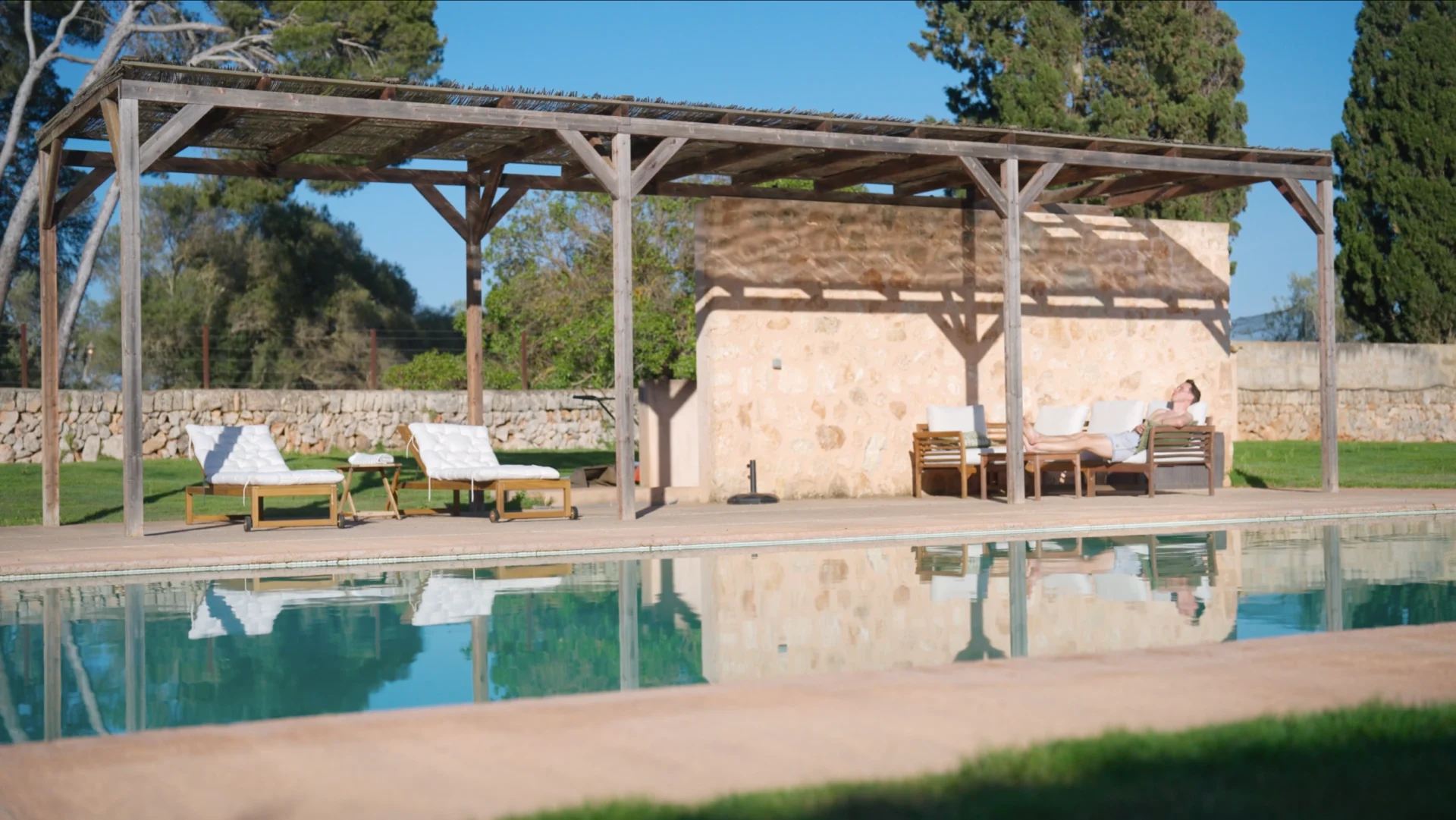
Psychotherapy is primarily individual within your chosen setting for a maximum of two or four clients. Your private bedroom, chef-prepared meals and daily support sit alongside selected shared physical activities and excursions.
Explore the residence →Is this the right level of care?
The review considers current mental state, other substances, medical needs, and the support required when reducing use. Acute psychiatric symptoms or other urgent needs may require a different setting before residential treatment is appropriate.
Understand the clinical review →What happens after your stay?
Preparation includes how to manage familiar use situations, evenings and social time, access to cannabis, and the routines you intend to keep. Follow-up and support from existing professionals or family are agreed individually.
Explore continuing care →