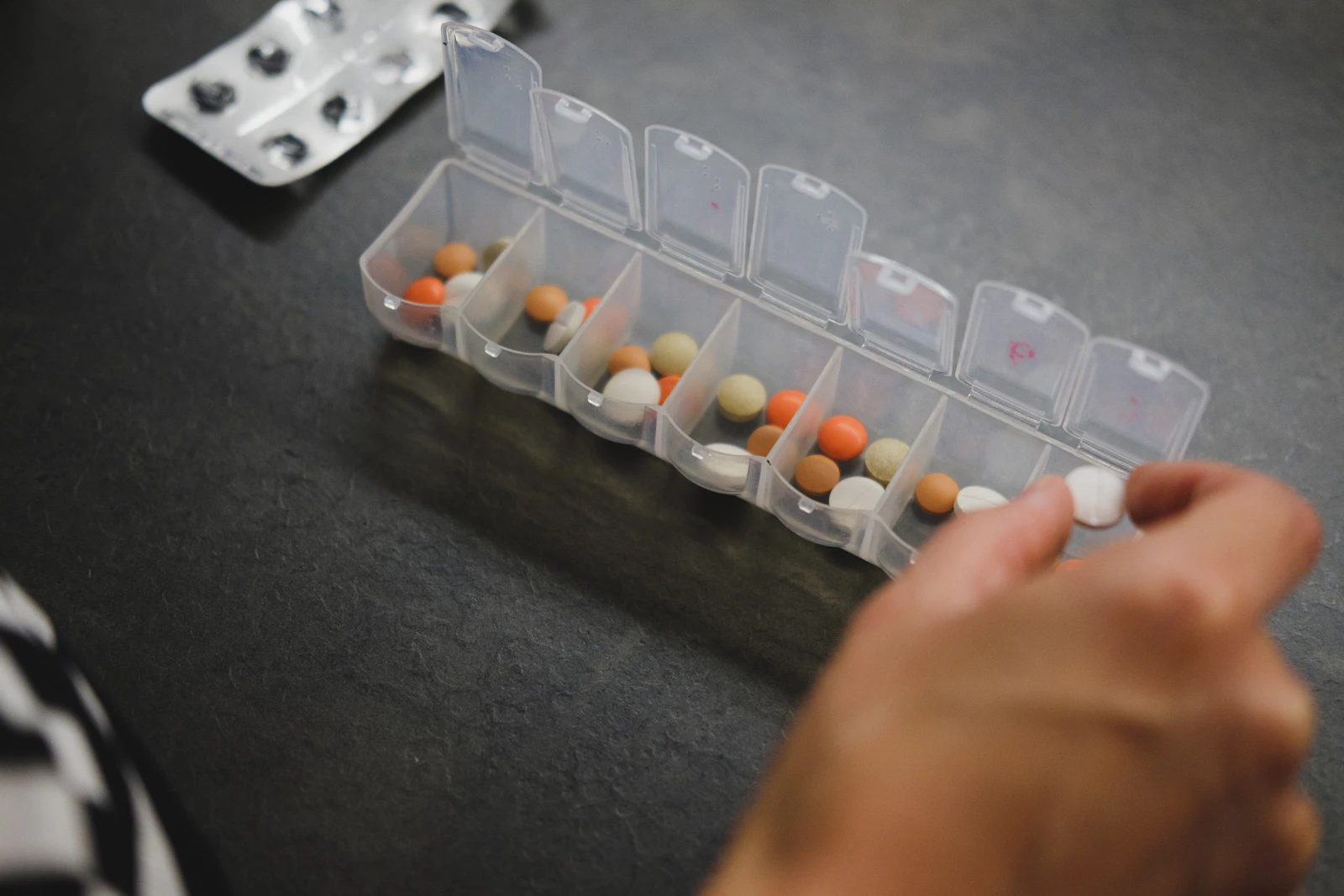
Inhaled Adasuve can cause serious bronchospasm and is not a home rescue inhaler. Wheezing, chest tightness or breathing difficulty after administration needs immediate medical attention. Fever with severe stiffness or confusion, collapse or a seizure also requires emergency assessment.
Loxapine is an antipsychotic medicine whose formulation changes the clinical conversation. Oral capsules are used for schizophrenia, while inhaled Adasuve is a separately regulated treatment for acute agitation associated with schizophrenia or bipolar I disorder in adults. The inhaled product can cause serious bronchospasm and is not a take-home inhaler for anxiety. Neither formulation should be substituted for the other by comparing the amount printed on the package.
Oral loxapine and mental-health treatment
Oral loxapine is prescribed for symptoms of schizophrenia. A treatment plan may aim to reduce hallucinations, unusual beliefs or disorganized thinking and support everyday functioning. The medicine may take time to show its full benefit, so an early change in sleepiness should not be treated as a complete assessment of effectiveness. [1]
Ask which problems are being targeted and how improvement will be measured. Some people prioritize less distress from voices; others want to concentrate better or regain confidence in daily activities. Those goals should be reviewed alongside adverse effects, rather than assuming that a person who looks quieter necessarily feels better.
How loxapine works and why the route matters
Loxapine is a dibenzoxazepine antipsychotic with dopamine and serotonin receptor activity. Its exact clinical effect cannot be predicted from the receptor description alone. The inhaled formulation delivers medicine through a different route from capsules, with distinct administration requirements and evidence. Calling it the same active ingredient does not make the treatment plans interchangeable. [2]
The distinction should appear clearly in the medication record. An emergency team needs to know whether the person takes regular oral loxapine or received an inhaled treatment during a particular episode. A discharge summary should not turn an acute administration into a continuing prescription by accident.
Inhaled Adasuve: a specific acute-care use
The cited US Adasuve label, revised in May 2026, specifies acute agitation associated with schizophrenia or bipolar I disorder in adults. Treatment is administered by healthcare professionals in a certified setting under a risk-management program. This is not the same as treatment for ordinary anxiety, a home response to insomnia or a general inhaler for behavioral distress. [2]
Acute agitation needs an assessment of its cause. Pain, intoxication, withdrawal, delirium and an underlying psychiatric episode may require different responses. A medicine that reduces agitation does not by itself identify the diagnosis or establish that the person is medically ready to leave an observed setting.
Bronchospasm and respiratory screening
Adasuve can cause airway narrowing that may progress to respiratory distress or arrest. The label contraindicates it in people with current or previous asthma, COPD or other bronchospastic lung disease, current respiratory symptoms, use of medicines for airway disease, or previous bronchospasm after Adasuve. These restrictions belong specifically to the inhaled product. [2]
Before inhaled treatment, tell the team about wheezing, chest tightness, past asthma and inhaler use even if symptoms seem mild. Do not leave out an old respiratory diagnosis because it has not caused trouble recently. Wheezing, cough, shortness of breath or chest tightness afterward must be reported immediately.
Why observation is part of inhaled treatment
The US instructions require monitoring for bronchospasm for at least one hour after administration, with immediate access to staff and equipment able to treat respiratory problems. Sedation can make breathing symptoms less obvious, which is one reason a seemingly calm appearance is not sufficient reassurance. A minimum observation period does not mean everyone is automatically suitable for discharge at that point. [2]
Follow the treating team’s instructions about further assessment and transport. The person may need continuing psychiatric or medical care after the acute agitation settles. This guide does not provide instructions for obtaining, repeating or administering an inhaled dose outside the authorized setting.
Taking oral capsules
For oral treatment, follow the current prescription and ask what to do after a missed dose. Do not take a double dose to compensate. Report difficulty swallowing, managing the schedule or obtaining a supply before it leads to an unplanned interruption. The pharmacist can clarify an unfamiliar pack or a change in manufacturer. [1]
Loxitane is a historical US oral brand; generic supply and local authorization should be checked separately. A brand remembered from earlier treatment is not proof that the same product remains available. Keep the active ingredient, formulation and actual instructions together in the medicine list.
Monitoring ongoing treatment
Before and during antipsychotic treatment, review medical history, other medicines, weight, blood pressure, metabolic health and movement symptoms. Hormonal effects and ECG assessment may also need attention according to the person’s risks. NICE recommends discussing which adverse effects matter most to the individual, not relying only on a standard checklist. [3]
Ask who orders tests and who communicates the results. A blood test alone does not show that sedation or restlessness has been assessed. Bring examples of benefit and difficulty from daily life so the review can consider whether the treatment is both effective and tolerable.
Movement effects and hormonal symptoms
Loxapine can cause tremor, stiffness, slowed movement, restlessness and involuntary movements. Akathisia may feel like anxiety with a compelling need to move. Painful neck or tongue contractions, especially with swallowing or breathing difficulty, need urgent attention. Repetitive mouth, face or limb movements should also be reported promptly. [1]
Breast enlargement or milk production, menstrual changes and sexual difficulties may occur. Do not assume that these concerns are unimportant because the mental-health symptoms have improved. Record when they began and how they affect life. A clinician may need to check prolactin, other medicines or alternative explanations.
Sedation, blood pressure and anticholinergic effects
Drowsiness, dizziness, unsteadiness and a drop in blood pressure on standing can affect safety. Dry mouth, blurred vision, constipation and difficulty passing urine are also relevant. Avoid driving or hazardous tasks while impaired and report falls or near-falls. Severe abdominal symptoms or inability to pass urine requires prompt assessment. [1]
For inhaled Adasuve, altered taste and throat irritation are among the adverse effects described in trials. A mild taste change is different from chest tightness or wheezing. Tell the healthcare professional about respiratory symptoms rather than assuming they are only irritation from the device. [2]
Interactions and vulnerable situations
Alcohol, opioids, benzodiazepines and other central nervous system depressants can add sedation and breathing or blood-pressure concerns. Other anticholinergic medicines can add urinary, bowel, eye or cognitive problems. Include nonprescription sleep and allergy products in the review, not just psychiatric prescriptions. [2]
The clinician should know about seizures, glaucoma, urinary problems, heart disease and previous serious drug reactions. Pregnancy and breastfeeding need individual advice. Loxapine carries an increased-mortality warning for older adults with dementia-related psychosis and is not approved for that indication in the cited US information. [1]
Addiction treatment and detox limitations
Loxapine does not replace appropriate alcohol or sedative withdrawal management, medication for opioid use disorder or opioid-overdose reversal. The acute inhaled trials excluded people whose agitation was related to acute alcohol or drug intoxication. Their results should not be presented as evidence that Adasuve is a general-purpose intoxication or detox treatment. [2]
Someone with a psychotic disorder and addiction may still need antipsychotic treatment as part of coordinated care. The teams should agree which condition each medicine addresses and how interactions will be monitored. The co-occurring medication guide explains why a shared history and clear handover are important.
Stopping, switching and continuing care
Do not abruptly stop regular oral loxapine without discussing it with the prescriber. A planned change should consider symptom recurrence, tolerability and the treatment history. A single acute inhaled administration and a long-term oral prescription involve different stopping questions; they should not be placed into one generic taper. [1]
After an acute-care visit, ask which medicines should continue, which were administered only during the episode and when review is due. Confirm that the usual prescriber receives the discharge information. This helps avoid duplicating medication or inadvertently continuing a temporary treatment.
When to seek urgent help
Breathing symptoms after inhaled loxapine need immediate medical attention. Fever with severe rigidity or confusion, seizures, collapse, serious allergy or difficulty breathing or swallowing also requires emergency assessment. Suspected overdose needs immediate advice, even if the person initially appears merely sleepy. These situations should not wait for a routine appointment. [2]
Comparing information from different formulations
When reading about loxapine, first check whether the information concerns capsules taken regularly or a supervised inhaled dose during an acute episode. A study observing people briefly after inhalation cannot describe every possible consequence of months of oral treatment. Equally, an oral-treatment experience does not establish whether a person meets the respiratory eligibility requirements for Adasuve.
Bring the source or product name to the appointment when information appears contradictory. Ask which findings apply to the proposed route, how long participants were followed and whether the comparison involved another medicine or placebo. This helps keep expectations proportionate to the evidence. The practical decision should connect the person’s diagnosis, medical history and previous treatment experience with the specific product, rather than treating every mention of loxapine as advice about the same prescription.
Frequently asked questions
Is Adasuve an asthma inhaler?
No. It delivers an antipsychotic for a particular acute-care indication and can cause dangerous bronchospasm. Asthma and related airway disease are important contraindications to this inhaled product.
Can oral capsules be used instead of the inhaler?
Not as a self-directed substitution. The route, treatment purpose and monitoring requirements differ. Ask the clinician to identify the exact prescription and intended plan.
What should I record for an oral-treatment review?
Record the symptoms that have improved, new unwanted effects, actual use and changes in other medicines or substances. Include practical consequences such as falls, difficulty working or uncomfortable restlessness. Agree the next review date and a contact route if concerns develop sooner.