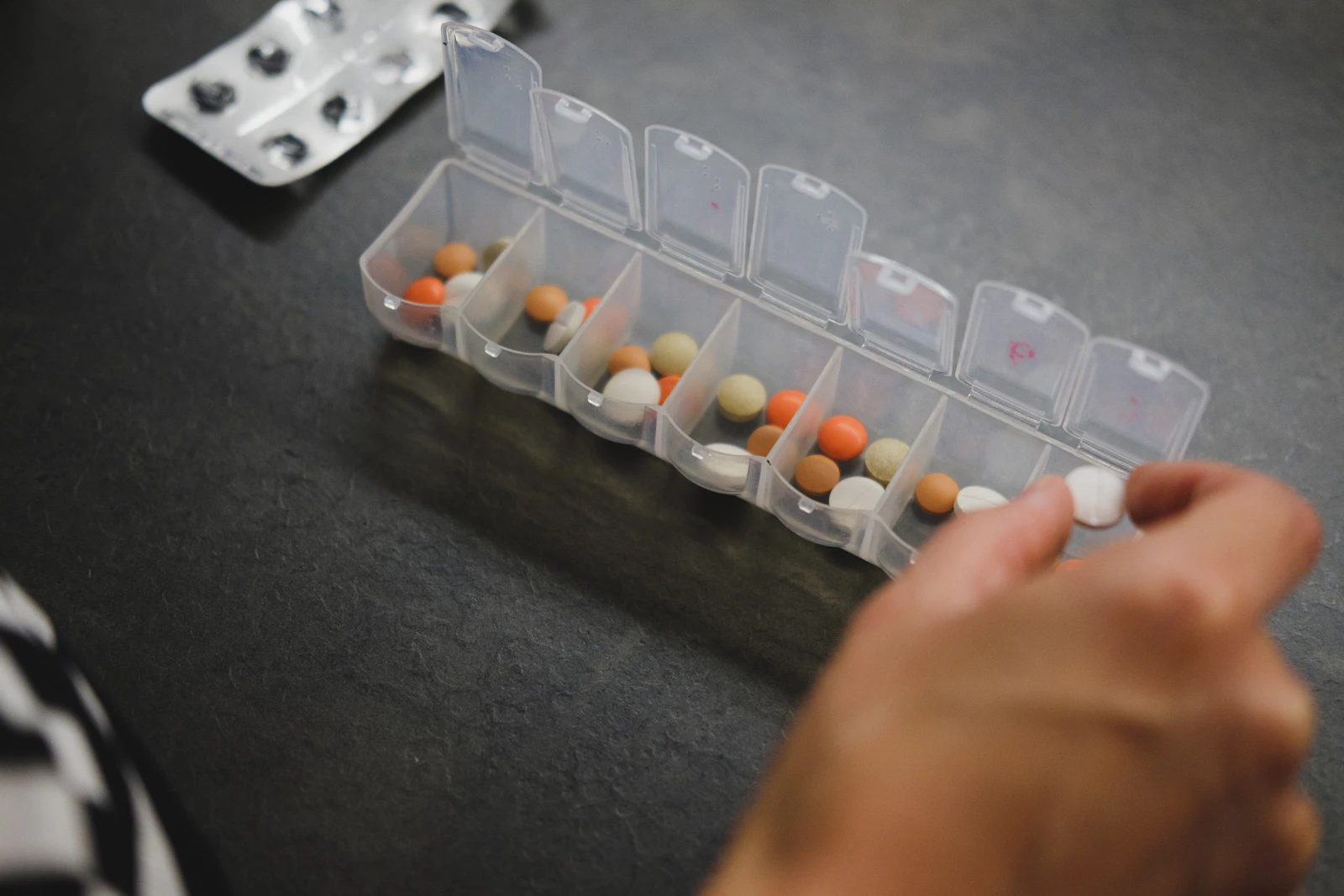
Slow or difficult breathing, inability to wake or a seizure requires emergency help. Do not abruptly stop routine treatment. For a severe blistering or peeling rash, stop gabapentin and obtain immediate medical care as directed in product safety information.
Gabapentin is used for epilepsy and nerve pain, and clinicians sometimes consider it for other purposes. Its inclusion in addiction care needs a careful explanation because it can also cause dependence and withdrawal. This guide separates the reason for treatment from questions about misuse, detoxification and stopping, without giving an individual prescription or a home-detox schedule.
What is gabapentin used for?
Gabapentin belongs to the gabapentinoid group. Established uses include certain seizures and peripheral neuropathic pain, such as pain related to diabetes or shingles. It affects nervous-system signaling; it is not an opioid or a benzodiazepine. Neurontin is a familiar brand example. Exact indications and preparations should be checked locally. [1]
Ask the prescriber to identify the intended benefit in your own case. Controlling seizures, reducing nerve pain and supporting a selected alcohol-treatment plan are different goals. The prescription should not be continued simply because the name appears on an old medication list. A review can establish what it is helping, what remains difficult and whether the original purpose still applies.
Nerve pain and everyday functioning
Nerve pain may involve burning, shooting or tingling sensations, and its treatment is not identical to treating every type of musculoskeletal pain. Gabapentin’s use for neuropathic pain does not establish that it is suitable for any unexplained ache. The underlying problem should be assessed rather than inferred from the response to a medicine. [2]
Discuss function as well as pain intensity. Ask whether treatment helps you walk, sleep, work or participate in rehabilitation, and whether unwanted effects limit those gains. A lower pain score accompanied by unacceptable dizziness deserves attention. Do not independently increase treatment because an activity remains difficult; a review should consider the whole plan and other possible explanations.
Mental health applications and off-label use
Gabapentin’s core licensed indications are not the same as a general approval for anxiety, depression or bipolar disorder. When it is prescribed for a mental health symptom outside local licensing, ask the clinician to explain the evidence, intended target and alternatives. Gabapentin and pregabalin are different medicines; an anxiety indication for one product must not be assumed to apply to the other. [1]
Describe whether the main concern is persistent worry, a sleep problem, trauma symptoms or another experience. Sedation does not by itself prove that the underlying condition has been treated. Ask how psychological care and any other psychiatric medicine fit alongside the prescription. A named treatment goal makes a later decision to continue or change gabapentin more meaningful.
Gabapentin in selected alcohol-withdrawal treatment
Gabapentin can have a role in selected alcohol-withdrawal plans. ASAM identifies it as an option for some mild or moderate withdrawal situations and as a favorable choice when the clinician also intends to use it in ongoing alcohol-use-disorder treatment. That guidance does not make it a universal substitute for benzodiazepines in severe or complicated withdrawal. [3]
Ask why it has been chosen, what monitoring is needed and which symptoms require reassessment. Previous seizures, delirium, other sedative dependence and significant medical illness affect the decision. Do not take leftover gabapentin to attempt an unsupervised alcohol detox. Severe confusion, a seizure or major deterioration needs urgent medical help rather than an extra self-selected dose.
Ongoing alcohol care and the limits of symptom relief
Where a specialist considers gabapentin for ongoing alcohol-related care, the purpose and off-label status should be explicit. A reduction in sleep disturbance or withdrawal discomfort is not the same as complete treatment of alcohol use disorder. The plan should also address return-to-drinking risk and other evidence-based options rather than ending when immediate symptoms improve. [3]
Ask what follow-up continues, who will prescribe and how benefit will be reviewed. Discuss what you hope to change in everyday life and what has made earlier attempts difficult. Medication should support a coherent plan, not become an unexplained replacement for one substance with another. Inclusion here does not confirm that COGNIFUL provides every form of medically assisted withdrawal.
Dependence, tolerance and addiction
Gabapentin can cause physical dependence, tolerance and addiction. These terms describe different issues and should not be used interchangeably. Dependence can occur during prescribed treatment; addiction involves a harmful pattern of impaired control. In January 2026, the MHRA strengthened the information supplied with gabapentinoids to make these risks and withdrawal precautions clearer. [4]
Tell the prescriber if you need extra doses, use it for a different purpose, run out early or have repeatedly struggled to reduce it. Equally, explain when you take it exactly as prescribed but feel unwell after a missed dose. These situations need assessment rather than a single label. The aim is appropriate support without either dismissing risk or treating every prescribed user as having an addiction.
Stopping gabapentin and withdrawal symptoms
Abrupt stopping can cause withdrawal symptoms, and in epilepsy can provoke serious seizures. Anxiety, disturbed sleep, nausea, pain and sweating may follow a sudden reduction. A clinician should direct a gradual, individualized change when stopping is appropriate. The plan may need adjustment according to symptoms and treatment history. [5]
Ask how the original condition will continue to be managed and how to obtain help between appointments. Record previous interruptions, including those caused by running out. Do not use alcohol, another sedative or an unprescribed medicine to manage withdrawal yourself. This guide does not set a percentage reduction or a fixed completion date; those details depend on the person and the actual prescription.
Breathing risks and sedating combinations
Severe respiratory depression has been reported with gabapentin, including without opioid use. Risk may be greater with breathing or neurological problems, kidney impairment, older age or other central nervous system depressants. Opioids can add to sedation and breathing risk. Tell the team about all prescribed and nonprescribed substances, not only medicines used every day. [6]
Slow or difficult breathing, extreme sleepiness or inability to wake requires emergency help. Do not assume the person only needs to sleep. Ask the prescribing teams to coordinate any changes rather than abruptly stopping another dependence-forming treatment yourself. A medication list should include occasional sleeping tablets and pain medicines because they remain relevant to the combination.
Common side effects and practical safety
Sleepiness, dizziness, tiredness, digestive symptoms and memory difficulties can occur. Avoid driving, cycling or using machinery while impaired. Persistent effects deserve a review, particularly when they interfere with meals, mobility or work. Some effects may improve with time, but that is not a reason to ignore a serious or worsening problem. [7]
Describe when the symptom began, whether treatment changed and what else was happening. You do not need to determine the cause before asking for help. A useful review can acknowledge pain relief while addressing an unacceptable effect. Do not compensate with unprescribed stimulants or silently change the dose to fit a workday.
Serious rash, mood symptoms and other warning signs
Blistering or peeling skin, mouth sores or a widespread rash with fever can signal a serious reaction. The product leaflet instructs patients to stop gabapentin and seek immediate care for signs of severe skin reactions. This emergency instruction is different from an ordinary planned taper. New suicidal thoughts also require prompt help, with emergency services when immediate safety is at risk. [2]
Tell clinicians about the medicine, when it began and any other recent changes. Do not restart treatment stopped for a suspected serious reaction without explicit advice. Persistent severe abdominal pain, pronounced weakness or unexplained significant illness also merits assessment. A general medication page cannot determine whether a symptom is harmless or whether your next dose is appropriate.
Kidney function, pregnancy and interactions
Kidney problems can require a different prescription, and pregnancy or breastfeeding needs an individualized discussion. Do not stop epilepsy treatment abruptly when pregnancy is discovered. The clinical team must consider both medication exposure and the risks of uncontrolled seizures. Bring relevant diagnoses and all current medicines to the review. [2]
Antacids can reduce gabapentin absorption, so ask the pharmacist about separation according to your product instructions. Other medicines or supplements can add to dizziness and sleepiness. Do not assume a product is irrelevant because it is available without a prescription. The actual ingredient and timing matter more than whether the packaging describes it as natural. [8]
Missed doses, formulations and continuity of care
Follow the directions for your capsules, tablets or liquid. A liquid needs an appropriate measuring device rather than a kitchen spoon. Do not take double doses to make up for missed treatment. If interruptions are frequent or the instructions are unclear, ask the pharmacist for a practical plan. [5]
Before travel or a transfer between services, confirm who will provide the next prescription and review. A handover should state the indication, actual schedule, response, adverse effects and any reduction already underway. Keep the medicine securely stored and do not share it. Another person’s similar pain or anxiety does not make your prescription appropriate for them.
Questions for a medication review
Bring one example of benefit, one difficulty and your most important unanswered question. Ask whether gabapentin is treating an established licensed indication or a specialist off-label target, and what evidence supports continuing it. Discuss mental health separately from pain or seizure control so that an improvement in one area does not conceal distress in another.
Our medication-review checklist can help organize the discussion. The co-occurring-needs overview addresses the broader care context, not a decision that you need gabapentin, detoxification or residential treatment.
Frequently asked questions
Is gabapentin the same as pregabalin?
No. They are related but different medicines. Do not switch them using an online conversion or another person’s prescription.
Can it be used in alcohol treatment?
Yes, in selected clinician-led plans. That is not permission to use it as universal protection during unsupervised withdrawal.
Does withdrawal always mean addiction?
No. Physical dependence and addiction need to be distinguished, while both deserve appropriate assessment and support.
Evidence and sources
- NHS: About gabapentin.
- Glenmark: Gabapentin patient leaflet.
- ASAM alcohol-withdrawal recommendations, including V.27 and V.28.
- MHRA: Strengthened dependence and withdrawal information, January 2026.
- NHS: Taking and stopping gabapentin.
- MHRA: Respiratory-depression precautions.
- NHS: Side effects.
- NHS: Interactions.
Educational information only. Local product information and your clinical team determine treatment. Return to the medication library.