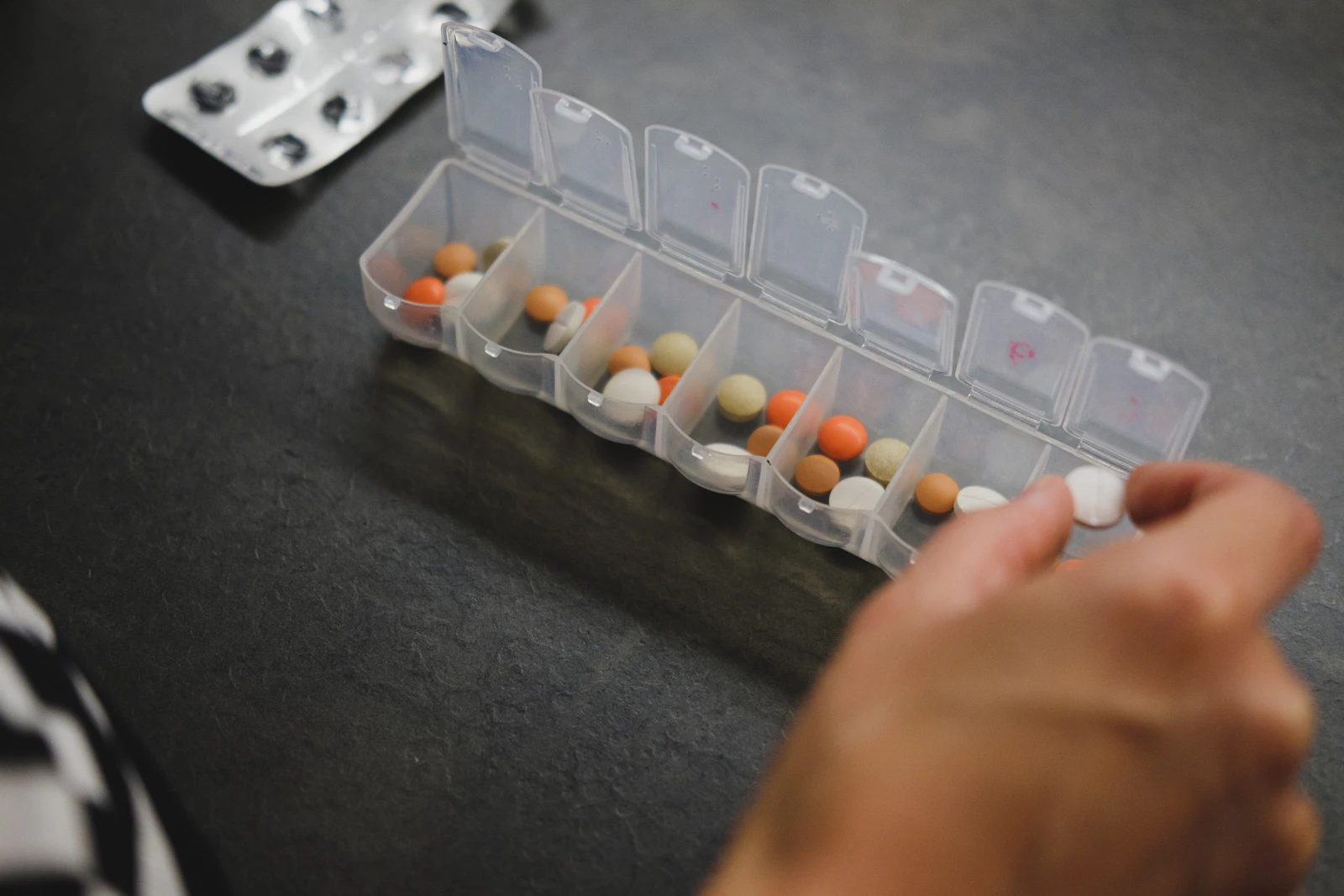
Propranolol may appear in a conversation about anxiety, heart health, migraine or tremor. Those are different prescribing situations. Before comparing doses or borrowing another person’s experience, ask which problem your own prescription addresses and what the clinician expects it to change.
What is propranolol used for?
What can it do for anxiety?
By blocking some effects of adrenaline, propranolol slows the heart rate and can reduce physical symptoms. That is not the same as treating every part of an anxiety disorder. [1]
Ask what support is planned for the situations you avoid, the thoughts that keep returning, or the practical effects on your life. Describe these separately from sweating or palpitations so the conversation does not stop at a physical symptom.
Taking the right formulation
Standard tablets, liquids and extended-release products have different instructions. Follow your actual prescription rather than copying a schedule intended for another indication. Extended-release capsules should not be crushed or chewed. [2]
Confirm whether your own plan is scheduled or situation-specific, what to do when a dose is missed, and when it should be reviewed. This page deliberately does not provide a performance-anxiety dosing recipe.
Common side effects
Dizziness, tiredness, cold hands or feet, disturbed sleep and nightmares can occur. Avoid driving when dizzy or impaired. Report effects that persist or interfere with everyday activity. [1]
At the review, describe what you were doing when symptoms appeared and how long they lasted. Ask whether your clinician wants a pulse or blood-pressure record rather than deciding on your own what a reading means.
Asthma, heart rate and other precautions
Propranolol can be unsuitable with asthma or other lung disease, a very slow heartbeat, certain rhythm problems or some forms of heart failure. It can also mask warning symptoms of low blood sugar. Tell your clinician about diabetes, difficulty eating, pregnancy and breastfeeding. [2]
When to get urgent help
Wheezing or breathing difficulty, collapse, new chest pain, or marked weakness with a very slow heartbeat needs urgent medical assessment. Severe facial or throat swelling is an emergency. Do not assume these symptoms are just anxiety. [3]
Interactions and alcohol
Other medicines affecting heart rate or blood pressure require checking, as do some nonprescription medicines. Alcohol may worsen unwanted effects. Give your pharmacist a complete list rather than checking only the medicines you take every day. [2]
Missed doses and stopping
Do not double a missed dose. Abruptly stopping propranolol can cause serious heart problems, especially when it is used for a cardiac condition. Ask your prescriber how a planned reduction should be managed. [2]
Before any change, clarify which clinician is responsible for the plan. This is particularly useful when one professional is treating anxiety and another is managing a heart condition.
Mental health application: physical anxiety is only part of the picture
Propranolol can reduce some physical effects associated with anxiety, such as a racing heart, shaking and sweating. It does this through beta-blockade rather than the mechanism of an antidepressant or benzodiazepine. A reduction in those symptoms may be useful, but it does not automatically resolve persistent worry, avoidance, traumatic memories or the wider impact of an anxiety disorder. The treatment target should therefore be explicit. NHS explanation of propranolol’s effects.
For example, being less shaky during an activity and feeling able to return to that activity are related but different outcomes. Discuss both. Ask whether the prescription is part of a broader psychological plan and how you will evaluate its role. Do not infer that propranolol is appropriate because a friend uses it before public speaking. Their medical history, formulation and prescribing indication may differ from yours.
Situational use and regular prescriptions are not interchangeable
Propranolol may appear in an anxiety plan, a migraine-prevention plan or a cardiovascular prescription. These uses can require different schedules and monitoring. The instructions for one purpose should not be transferred to another. A person taking it regularly for a heart condition must not treat it as an optional anxiety tablet, and someone with situation-specific instructions should not turn that into a daily regimen independently. [1] [2]
Before using the medicine, make sure the label and your understanding agree. Ask whether to take it regularly or only in circumstances defined by the prescriber, how to handle a missed dose and when to seek advice. This page does not offer a dose to take before an interview, examination or performance. Deciding on such use requires checking your health and other medicines, not simply calculating how stressful an event might be.
Propranolol in detox: why a lower pulse is not proof of safety
Beta blockers can sometimes be used by clinicians as adjuncts for persistent high blood pressure or a fast heartbeat during alcohol-withdrawal treatment. They are not treatments to prevent alcohol-withdrawal seizures and should not replace the primary withdrawal-management plan. Reducing a visible physical sign does not establish that the dangerous parts of withdrawal are controlled. ASAM alcohol-withdrawal recommendations on beta blockers.
Do not use leftover propranolol to make an unsupervised alcohol detox appear safer. Tell the assessing clinician that you take a beta blocker so they can interpret your symptoms and observations appropriately. Ask who will evaluate the risk of severe withdrawal and which setting can manage it. If you develop confusion, a seizure or serious illness, seek emergency help rather than checking whether your pulse remains low. Propranolol is not an opioid-overdose antidote or a general medication for stopping addictive substances.
Asthma, diabetes and symptoms that need a different explanation
Propranolol’s effects are not confined to anxious feelings. Asthma or other breathing problems, a slow heart rate and certain cardiac conditions can make it unsuitable. It may also mask some warning signs of low blood sugar. Tell the prescriber about diabetes, episodes of fainting, difficulty eating and any respiratory symptoms before using it. New wheezing or breathing difficulty should not be dismissed as anxiety. [2]
Ask which symptoms require immediate action and whether your clinician wants any home observations. Do not make dose decisions from a watch reading or compare your resting pulse with someone else’s. The significance of a number depends on context and symptoms. If you experience collapse, severe weakness, chest pain or serious breathing difficulty, use urgent medical services. A pre-existing anxiety diagnosis should not prevent assessment for a physical problem.
Stopping propranolol is not the same as addiction detox
Propranolol is not generally regarded as an addictive medicine, but abruptly stopping a regular prescription can be dangerous, particularly when it is being used for a heart condition. A planned reduction therefore needs the prescribing clinician’s involvement. This is a physiological and clinical safety issue, not evidence that every person taking it has developed a substance use disorder. [2]
Before changing treatment, establish every reason you are taking it. It may have been continued by more than one service, and the original indication may not be obvious from a recent conversation about anxiety. Ask who will direct the change and what should be monitored. Do not abruptly stop because you are starting psychotherapy or entering residential care. A medication review can consider whether the prescription remains appropriate without turning that review into an automatic instruction to discontinue it.
Sleep, energy and quality-of-life trade-offs
Tiredness, dizziness, cold extremities and sleep disturbances can affect whether propranolol feels acceptable. Describe when they occur, how long they last and what they prevent you from doing. If nightmares or fatigue were already present, explain that too. A clinician can consider the medicine, the underlying condition and other possible contributors rather than attributing everything to one cause. [1]
Separate the intended benefit from the unwanted effect in your notes. You might report that shaking has decreased but that daytime tiredness is interfering with work. Both observations matter. Ask whether the current plan still fits your goals and what follow-up is needed. Avoid driving or other hazardous activities while impaired, and do not use extra caffeine, alcohol or unprescribed medicines as a self-directed way to compensate for unwanted effects.
Interactions and care when several prescribers are involved
Other medicines that affect heart rate or blood pressure need particular checking, but the review should include all prescriptions, nonprescription products and supplements. Tell the pharmacist about inhalers, migraine treatments and medicines used only occasionally. Do not assume a product is irrelevant because it is unrelated to anxiety. Alcohol may increase unwanted effects, and the advice should take account of your actual pattern of drinking. [2]
When psychiatry, primary care and cardiology are involved, ask for one shared account of the indication and current schedule. Keep that information with you during travel or a change of service. If packaging or formulation changes, verify the instructions before taking the replacement. Our anxiety overview concerns the broader treatment context; it is not a recommendation that propranolol is appropriate for every person with anxiety or a statement that COGNIFUL supplies it.
Frequently asked questions
Is propranolol an antidepressant?
No. It is a beta blocker, with a different mechanism and range of uses. [1]
Does a slower heartbeat mean my anxiety care is complete?
Use the review to discuss the difficulties that remain. A single physical change does not answer every question about your care.
Can I use a friend’s tablets before an event?
No. A medicine prescribed for someone else has not been assessed against your health history, other medicines or intended use.
Evidence and sources
Follow your local product leaflet and clinician’s advice. Use the medication-review checklist to prepare questions, or return to the medication library. Inclusion here is not a promise of prescribing or supply.